
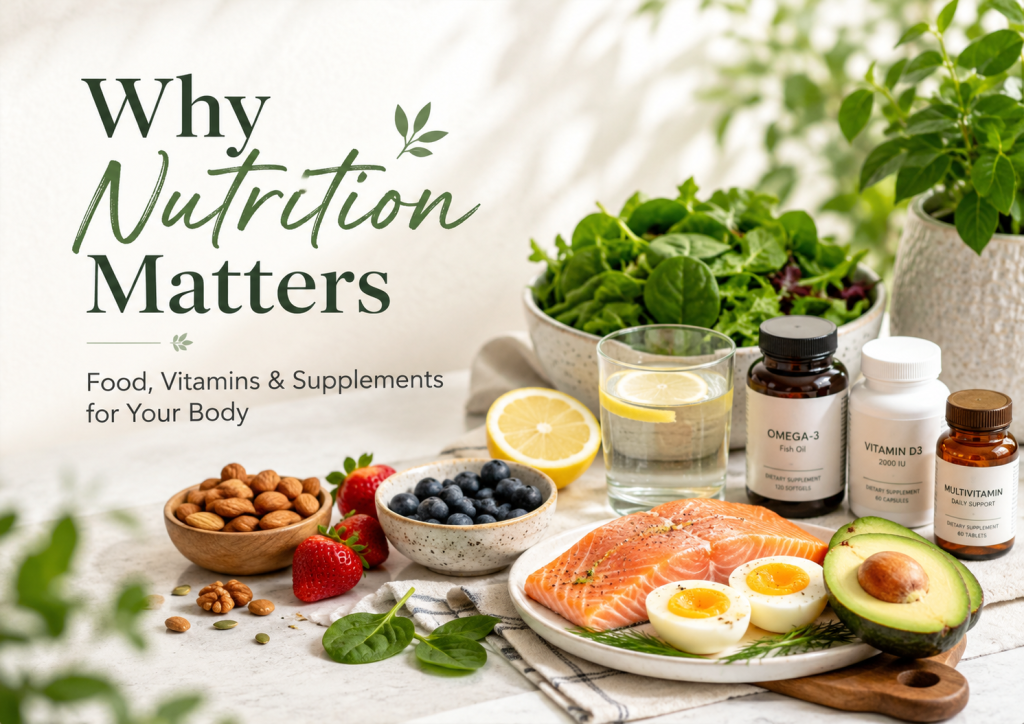
Your body is doing an incredible amount of work every second of every day.
It repairs tissue. It replaces cells. It regulates hormones. It maintains organs. It produces energy. It responds to illness. It heals injuries. It keeps your brain working, your heart beating and thousands of processes running without you consciously directing any of them.
That is the first thing I think people should understand about nutrition:
Your body is doing the work.
Food does not magically heal you.
A vitamin does not fight an infection for you.
A supplement does not repair your body for you.
Your body does those things.
Food, vitamins, minerals, sleep, hydration, movement and other wellness tools simply give your body materials and support it can use while doing that work.
That is why I think of nutrition less as a set of rules and more as a toolbox.
The goal is not perfection.
The goal is to give your body good tools as consistently as you realistically can.
Food Comes First
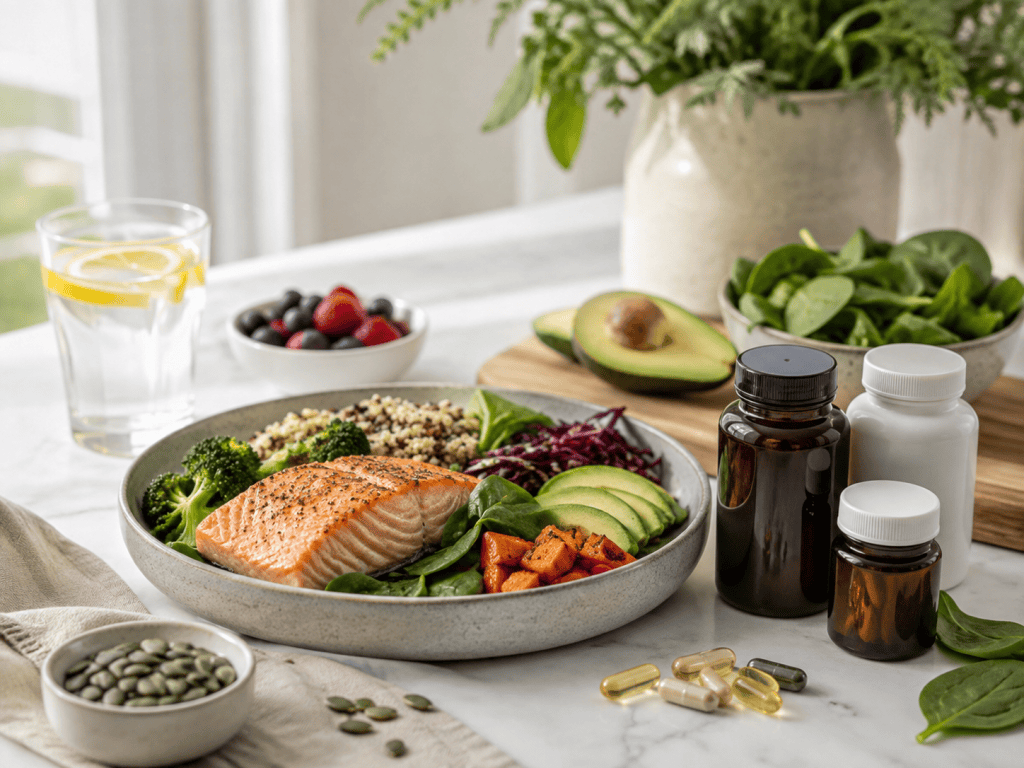
I strongly believe in the basic idea that food is medicine.
That does not mean a salad replaces medical treatment when you need medical treatment.
It means food supplies the raw materials your body uses to function.
You need protein.
You need carbohydrates.
You need fats.
You need vitamins and minerals.
You need fiber.
You need water.
And you need enough actual nourishment to keep everything running.
A multivitamin can be extremely useful.
A greens drink can be useful.
A probiotic can be useful.
A nutrition shake can be useful.
But taking supplements does not mean you have completed your nutrition for the day and can now eat junk—or nothing at all.
They are called supplements because they supplement what you are already doing.
Protein Should Be One of Your Priorities
Protein is one of the first things I think about when looking at a meal.
Your body uses amino acids from protein throughout the body, including for muscle, tissue maintenance and repair.
Protein can come from plenty of places:
- Meat
- Poultry
- Fish
- Eggs
- Dairy
- Beans
- Lentils
- Soy
- Nuts
- Seeds
You do not have to eat one particular diet to get enough protein.
But it is very easy to eat plenty of calories while still eating surprisingly little protein, particularly when most of your food is snack-based or heavily processed.
You do not need to turn every meal into a bodybuilder’s plate.
Just remember that your body needs building materials, not only energy.
Carbohydrates Are Not the Enemy
Carbohydrates have somehow become one of the most demonized parts of food.
But vegetables contain carbohydrates.
Fruit contains carbohydrates.
Beans contain carbohydrates.
Whole grains contain carbohydrates.
Bread contains carbohydrates.
Cake also contains carbohydrates.
Clearly, saying “carbs are bad” tells you almost nothing useful about nutrition.
Carbohydrates are an important source of energy.
The more useful question is:
What kind of carbohydrate am I eating, what else comes with it and what does the rest of my diet look like?
A piece of fruit and a handful of candy can both contain sugar.
That does not make them nutritionally identical.
Context matters.
Sugar Is Powerful — That Does Not Mean You Have to Fear It

Sugar is another ingredient people tend to approach in extremes.
Either it is treated like harmless fairy dust or something you should never consume again.
I do not think either approach is particularly useful.
Sugar can affect energy, appetite, cravings and the brain’s reward system very noticeably.
I personally consume both sugar and caffeine quite modestly, and I can still tell when my normal pattern changes. If I skip my mini daily Dr Pepper, I can end up with a migraine. If I cut sugar completely, I can get intense cravings or feel wiped out.
That does not make my conclusion:
Never consume sugar.
It makes my conclusion:
Understand how it affects you.
Sugar can be useful when you need quick energy.
Dessert can simply be enjoyable.
A little sweetness can make nutritious food more appealing.
But added sugar can also quietly become a massive part of a diet if you never pay attention to it.
Use it intentionally instead of pretending it has no effect.
Caffeine Is a Tool Too
Caffeine is a stimulant.
That is exactly why people use it.
Coffee can help you feel more alert.
Tea can give you a smaller lift.
A caffeinated soda may perk you up when your energy crashes.
That does not automatically make caffeine bad.
It does mean you should understand the tool you are using.
Regular caffeine use can also mean that suddenly skipping it leaves you feeling pretty terrible.
Headache.
Fatigue.
Irritability.
Brain fog.
For some of us, a full-blown migraine.
So instead of demonizing caffeine or living on six energy drinks a day, use it with awareness.
Know how much you normally consume.
Know when you are consuming it.
Know whether it affects your sleep.
And know how your own body reacts when you have more—or less—than usual.
Your Body Needs Fat
Fat spent years being treated like the nutritional villain.
Then the market became flooded with fat-free everything.
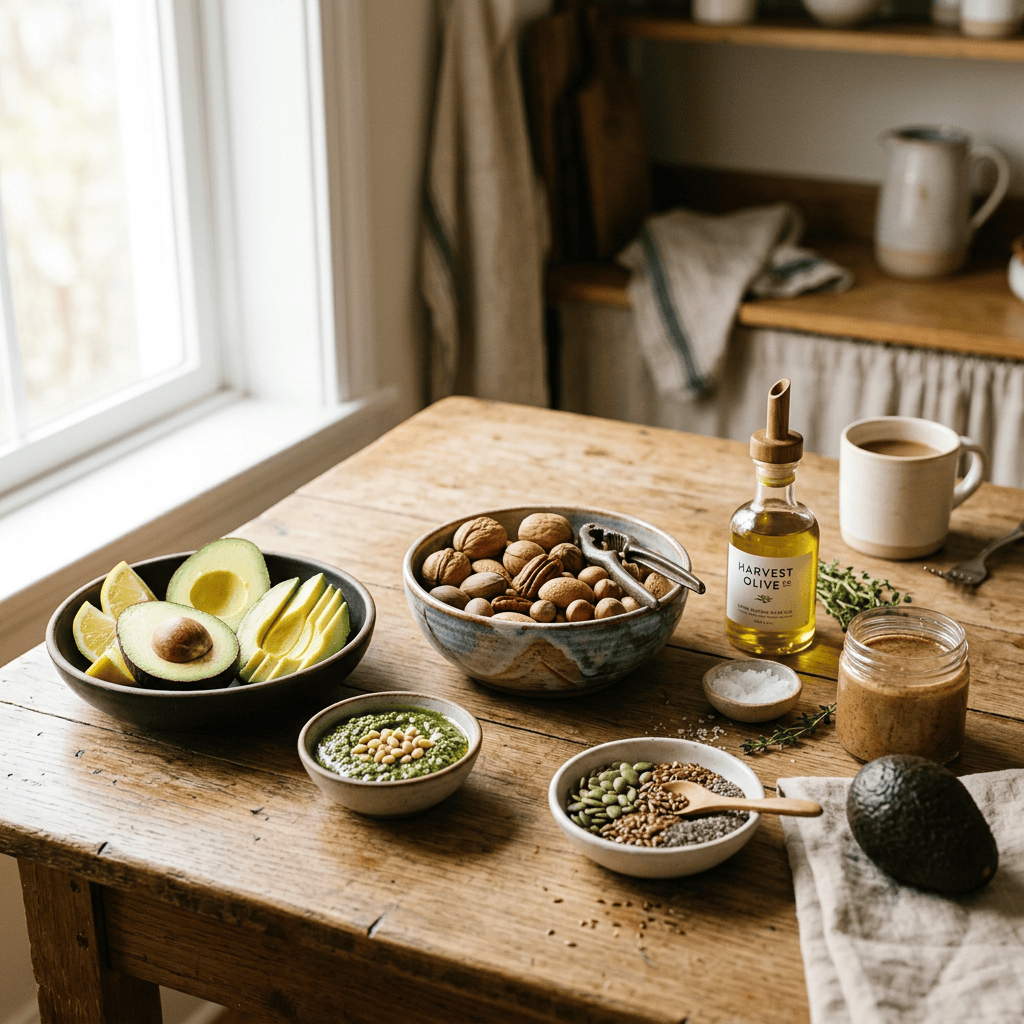
The problem is that your body actually needs dietary fat.
Good sources include foods such as:
- Avocados
- Olives
- Olive oil
- Nuts
- Seeds
- Fatty fish
The goal should not be to eliminate fat.
It should be to choose better sources of it.
Trans fats and heavily altered fats are very different from the fats naturally present in avocado, olives or nuts.
And when manufacturers remove fat from a food, they sometimes compensate for lost flavor or texture with additional sugar or other ingredients.
That does not mean every fat-free food is secretly terrible.
It means:
Turn the package around.
Read the actual nutrition information instead of assuming that one marketing phrase makes a product healthy.
When replacing poorer fats in your diet, replace them with better fats, not with the idea that eating no fat at all is somehow the goal.
Stop Looking for the Next Food Group to Hate
Nutrition trends love villains.
Fat.
Carbohydrates.
Sugar.
Dairy.
Gluten.
Fruit.
Meat.
Grains.
Something is always being blamed for everything.
Sometimes there is a legitimate reason for you personally to avoid something.
An allergy.
An intolerance.
A health condition.
A medication interaction.
A specific dietary need.
That is very different from declaring a food group inherently bad for everyone.
For most people, variety is far more useful than fear.
Eat different foods.
Get different nutrients.
Pay attention to quality.
Pay attention to quantity.
Pay attention to how your body responds.
And allow food to remain something you can actually enjoy.
Even Good Things Can Become Too Much
This principle applies to almost everything in wellness.
Even water.
Something being beneficial does not mean you need an unlimited amount of it.
Eat an absurd amount of carrots for long enough and yes, you can literally turn your skin orange.
Is that generally a medical catastrophe?
No.
Do I want to look like I have been dipped in orange dye because I decided carrots were healthy and therefore needed to consume industrial quantities of them?
Also no.
Then there are far more dramatic examples, like excessive colloidal silver use causing skin to become permanently bluish-gray.
If your wellness routine has transformed you into Papa Smurf, we have perhaps exceeded the useful dosage.
More is not automatically better.
Moderation matters.
Where Vitamins and Supplements Fit In
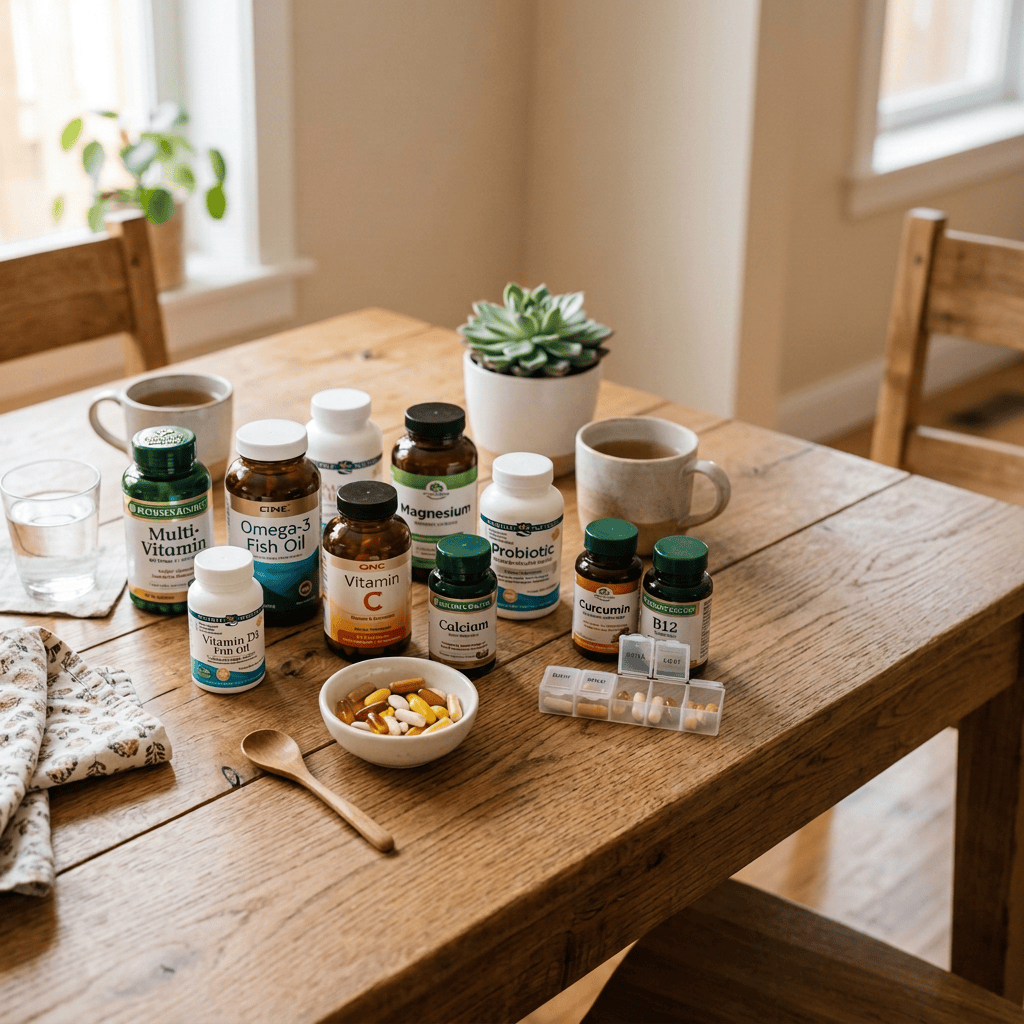
I am a big believer in nutritional supplementation.
Getting myself onto a good daily supplement routine has made a significant difference in my own life.
But I think of supplements as tools, not magic.
Maybe your diet is inconsistent.
Maybe there are nutrients you struggle to get enough of.
Maybe you have a particular lifestyle or stage of life that creates additional needs.
Maybe eating well is especially difficult right now.
Maybe you simply know that a particular product helps you feel and function better.
That is where supplements can be valuable.
But before taking something, I think you should know:
- What it contains
- Why you are taking it
- How much you are taking
- What form the nutrient comes in
- Whether you are already taking the same thing somewhere else
- Whether it actually serves a purpose in your life
Why I Prefer Whole-Food-Form Vitamins
I personally prefer whole-food-form and food-derived supplements when a good option is available.
One of the biggest changes in how I shop for supplements was realizing that seeing the word magnesium or vitamin B12 on the front of a bottle does not tell me everything I need to know.
I want to know the form.
I want to know what else is in the product.
I want to understand the formulation.
I want to know whether the company appears to care about ingredient quality.
And I want something my body actually tolerates well.
I do not assume every vitamin bottle is equivalent just because the nutrient names look similar.
Supplement Quality Deserves Extra Attention
Supplement quality can vary widely.
That means the front of the bottle should be the beginning of your inspection, not the end.
Look at:
- Ingredient forms
- Dosages
- Fillers and other ingredients
- Manufacturer transparency
- Purity and quality testing
- Storage instructions
- Recommended serving size
And be especially careful about impressive-looking formulas containing enormous numbers of ingredients.
More ingredients do not automatically make a product better.
Sometimes they simply make it more complicated.
Watch for Accidental Nutrient Overlap
This is surprisingly easy to do.
Imagine taking:
- A multivitamin
- A hair, skin and nails supplement
- A greens powder
- An electrolyte drink
- An immune-support product
- A nutrition shake
Every one of those may contain vitamins and minerals.
You may suddenly be consuming the same nutrient from four different products without ever deliberately deciding to take that much.
Every once in a while, put everything you regularly take on the counter and compare the labels.
It is a simple habit that can tell you a lot.
Daily Wellness Tools Worth Knowing About
You do not need everything below.
That is not the point.
The point is understanding what different products do so you can decide which ones actually make sense for your life.
Multivitamins
A multivitamin is one of the easiest ways to create a basic nutritional backup.
I personally prefer a high-quality whole-food-style formula rather than buying the cheapest enormous bottle I can find.
What I Personally Use
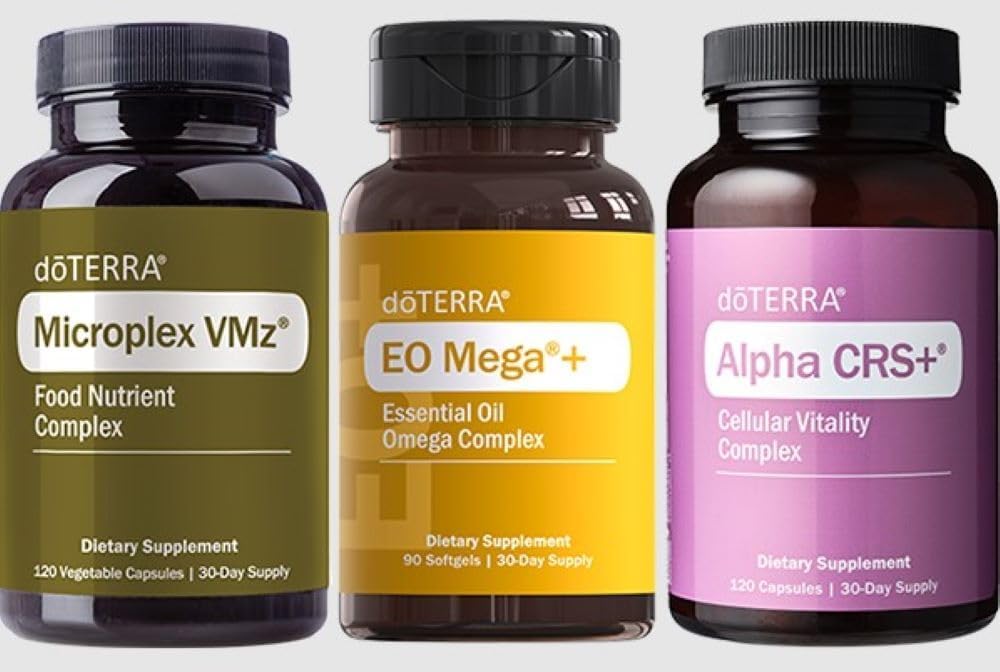
I use doTERRA’s Lifelong Vitality system as the foundation of my own supplement routine.
It works well for my body and fits the way I prefer to approach foundational nutrition.
That does not mean everyone needs my exact routine.
It means this is the one I personally use and would be comfortable recommending readers investigate for themselves.
Grüns
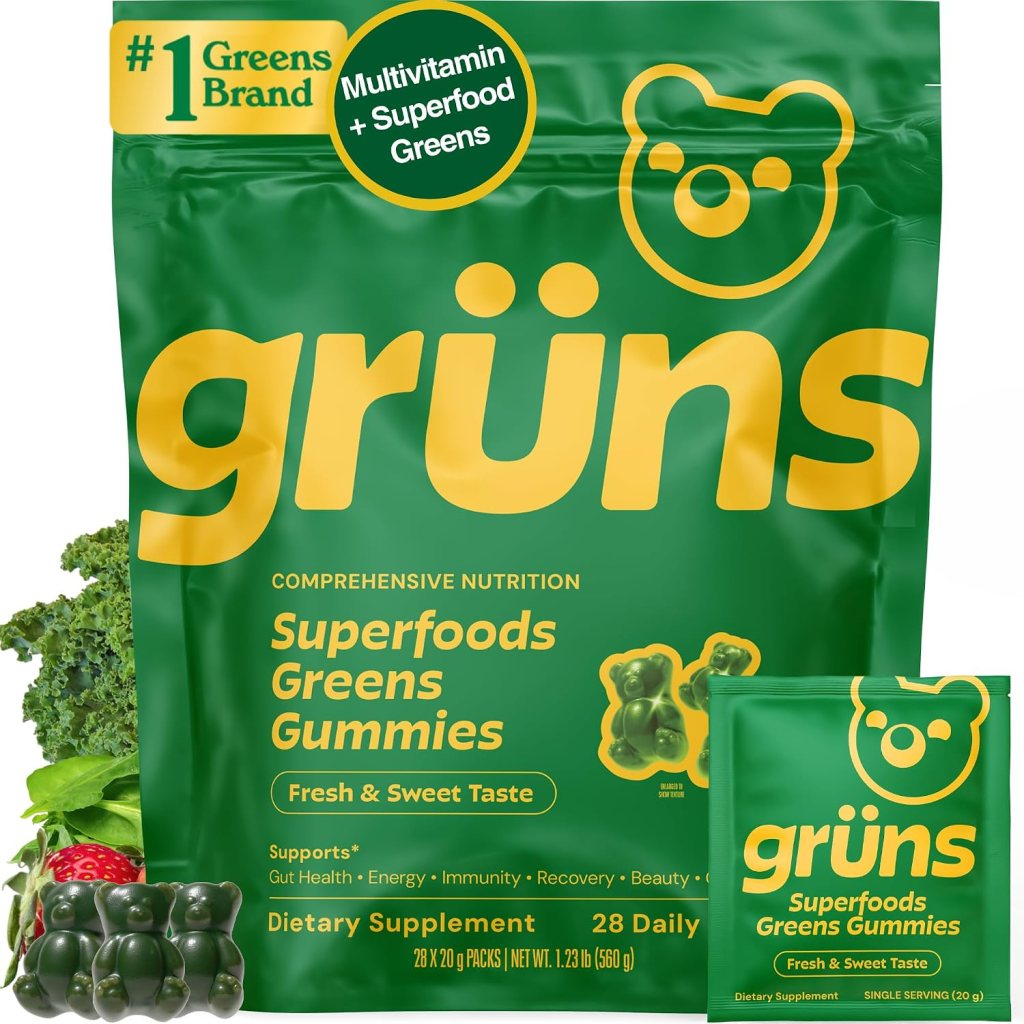
I also like Grüns as a very different option.
The gummy format is convenient, and convenience matters.
If you hate swallowing capsules and therefore never actually take the supplement you bought, the theoretically perfect formula sitting in your cabinet is not helping you much.
Other Whole-Food Multivitamin Options
- NATURELO Multivitamins for Teenage Girls/Boys
- Life’s Fortune Whole Food Multivitamin & Mineral Supplement for Men & Women
- Abundant Earth Whole Food Multivitamin for Women
Probiotics
Gut health affects far more than whether your stomach happens to feel good after lunch.
Probiotics can be another useful tool, but different formulas contain different organisms and combinations.
Pay attention to:
- The strains
- Storage requirements
- Serving size
- Whether the product also contains prebiotics
- How your digestion responds
And remember that fermented foods can contribute beneficial microbes too.
Electrolytes
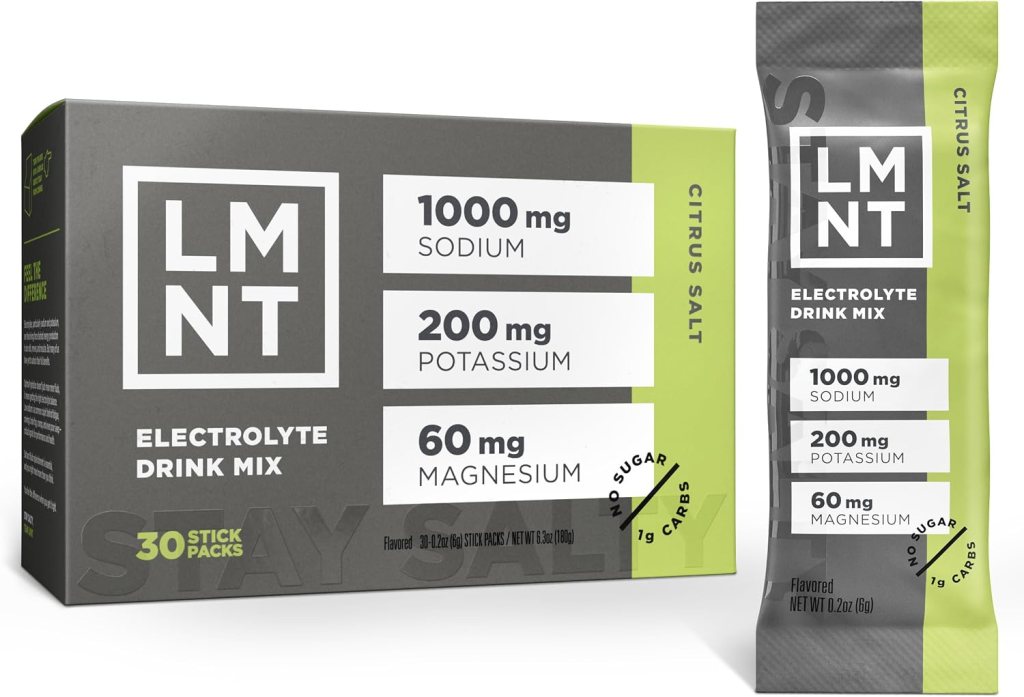
Electrolytes can be especially useful when you are losing significant fluid through:
- Heavy sweating
- Exercise
- Hot weather
- Vomiting
- Diarrhea
- Certain travel situations
That does not mean every glass of water automatically needs an electrolyte packet.
Plain water should still be doing plenty of the work.
Electrolytes are a specific tool for specific situations.
Chlorophyll
Chlorophyll is naturally present in green plants.
It is also now sold in liquid drops, capsules and powders as a wellness supplement.
I put chlorophyll in the optional category.
You do not need to start drinking green water because the internet decided everyone should.
But if you enjoy using it, like how you feel with it and have found a quality product, it may fit nicely into your personal routine.
I will dig much deeper into chlorophyll in a separate article in the future.
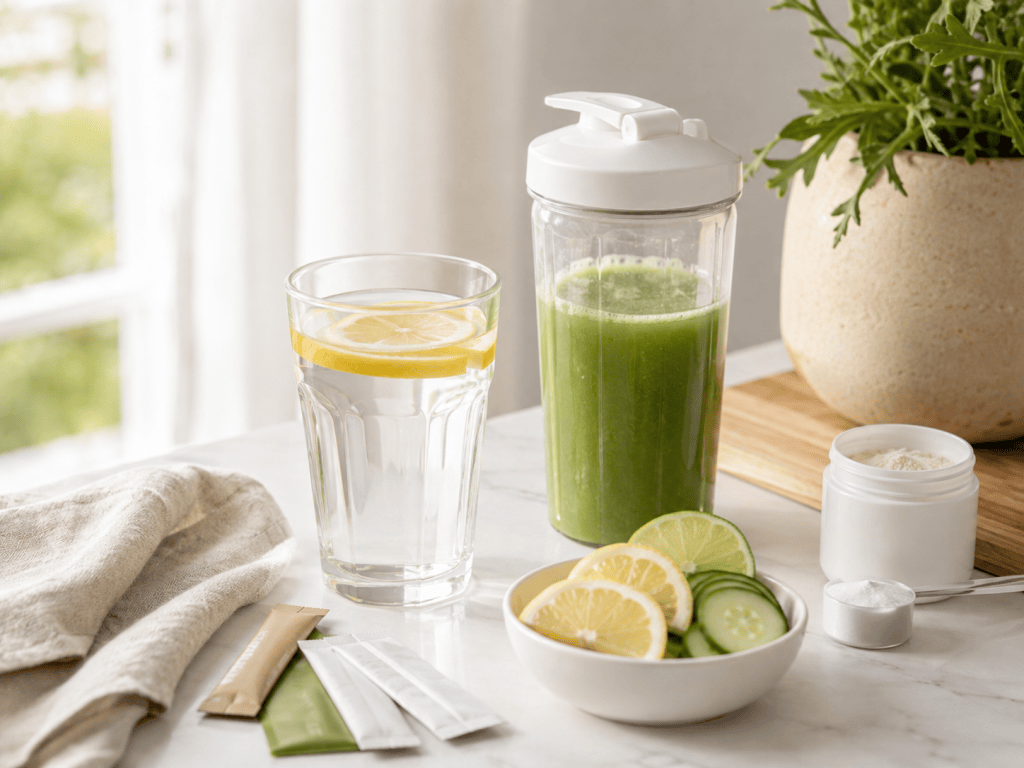
Greens Drinks and Daily Nutrition Shakes
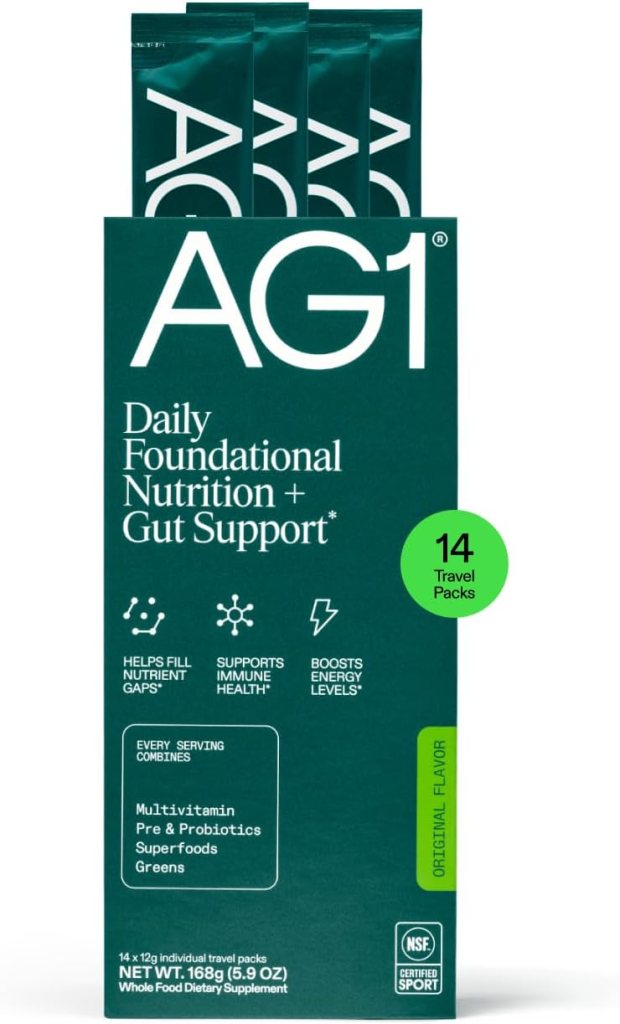
Some people prefer drinking their supplements.
There is now an enormous variety of greens powders, vitamin drinks and more substantial nutrition shakes.
But they are not interchangeable.
A greens powder is usually meant to supplement your diet.
A more substantial shake may contain enough protein, fiber and calories to help when you are struggling to eat a proper meal.
Those are different jobs.
Possible options include:
Choose the format that solves the problem you actually have. There’s no need to add something to your diet just because it keeps popping up on your Instagram feed.
Some of Your Best Wellness Tools Are Free
Wellness should never become synonymous with shopping.
Some of the most useful things you can give your body do not come in a bottle.
Sunshine and Daylight

Go outside.
Let your body experience actual daytime.
Natural light helps your body recognize the difference between daytime and nighttime, and sunshine also plays a role in your body’s production of vitamin D.
That does not mean lying outside until your skin burns.
It means getting some real daylight regularly.
Open the curtains.
Sit outside.
Walk around the block.
Eat lunch on the patio.
Human beings were not designed to experience the entire world through ceiling lights and computer monitors.
Move Enough to Sweat Sometimes
Sweating is primarily your body’s way of cooling itself.
You do not need to chase sweat because someone told you that sweating magically cleanses every toxin from your body.
But you do need movement.
Walk.
Swim.
Dance.
Garden.
Lift weights.
Ride a bike.
Play with your children.
Clean the house hard enough that the house and your cardiovascular system both know something happened.
Do something your body has to participate in.
And yes, sometimes you should work hard enough to sweat.
Stretch

Stretching gets more important the more time we spend sitting.
Move your shoulders.
Stretch your legs.
Open your hips.
Move your ankles.
Rotate your torso.
Stretch your hands.
You do not need to become a yoga instructor.
You just need to remind your body that it has more than three available positions.
Drink Water
Hydration may be boring advice.
It is still useful advice.
Keep water nearby.
Drink throughout the day.
Drink more when heat, sweating or illness increases your needs.
Use electrolytes when they actually make sense.
You do not have to make hydration complicated.
Sleep Is Part of Wellness Too
You can eat beautifully and own the world’s most impressive supplement cabinet and still feel awful if you never allow your body adequate opportunity to rest.
Sleep matters.
Unfortunately, knowing that and actually sleeping well are not always the same thing.
Children happen.
Work happens.
Pain happens.
Hormones happen.
Stress happens.
Caregiving happens.
Insomnia happens.
Life happens.
The point is not to shame yourself for imperfect sleep.
It is to understand that sleep is another important part of the overall picture and protect it whenever you reasonably can.
I Prefer Natural Support First — But I Am Ultimately Team Whatever Works
When there is a reasonable natural option, that is generally where I personally prefer to begin.
I like food-based support, plants and simpler approaches when they are capable of doing the job.
But natural does not automatically mean perfect.
You can be allergic to something natural.
You can be sensitive to something natural.
You can take too much of something natural.
And sometimes a natural option simply is not strong enough for what your body is dealing with.
Likewise:
Something created in a laboratory is not automatically bad.
Sometimes modern medicine offers exactly the tool you need.
My philosophy is ultimately:
Whatever works—with knowledge and intention. An easy goal is to just live your best life under whatever your current circumstances are. Remember that circumstances change with the ebb and flow of time. Maybe today you’re rich and healthy. That doesn’t mean tomorrow you won’t be sick and poor. That’s just the reality of life, but taking care of yourself to the best of your ability is always a good idea.
A Real Example From My Own Life
I can experience extremely prolonged bleeding unless I take hormonal birth control consistently.
For me, taking birth control solves a very real problem.
I am not going to choose months of continuous bleeding simply because I would rather not need prescription hormones and their inherent side effects.
The medication works.
That matters.
At the same time, I still care about supporting my body overall, so I take other pills everyday to counteract that I need to take the birth control.
I pay attention to nutrition.
I hydrate.
I use supplements that work well for me.
I use other wellness products and practices that I personally find helpful.
I do not see those approaches as competing teams.
Sometimes natural support is enough.
Sometimes medicine is necessary.
Sometimes you use both.
Your Body Gets a Vote
This may be the most important rule in Wellness.
Something can be wonderful for thousands of people and still be wrong for you.
Your body is affected by your own combination of:
- Genetics
- Allergies
- Sensitivities
- Medications
- Health conditions
- Hormones
- Environment
- Diet
- Lifestyle
That is why I will never tell you:
Everyone needs this.
Or:
This worked for me, therefore it must work for you.
Pay attention to your own response.
If something causes an obvious adverse reaction, stop pretending it must be good for you because other people love it.
If a product repeatedly makes you feel worse, that is information.
If something genuinely improves your life, that is information too.
Wellness Is Harder During Some Seasons of Life
Sometimes you know exactly what your body needs and still cannot give it everything you would like to.
Maybe you are:
- Sick
- Grieving
- Caring for someone
- Working constantly
- Traveling
- Recovering
- Financially stretched
- Exhausted
- Overwhelmed
Sometimes dinner is beautifully balanced.
Sometimes dinner is cereal.
Sometimes you do your entire routine.
Sometimes you remember to drink water and consider that a victory.
Do what you realistically can.
Then keep going.
Wellness should help you live your life.
It should not become another impossible standard you use to punish yourself.
A Simple Way to Think About Your Day
Instead of obsessively checking boxes, ask yourself a few basic questions.
Did I eat enough actual food?
Did I get some protein?
Did I eat some variety?
Did I drink water?
Am I taking supplements because I understand why I use them?
Did I see some daylight?
Did my body move?
Did I stretch?
Am I giving myself a reasonable opportunity to rest?
How do I actually feel?
You will not hit every one perfectly every day.
That is normal.
The important part is understanding what your body needs well enough to keep coming back to those basics.
Final Thoughts
Your body is already doing the hard part.
It is repairing.
Protecting.
Adapting.
Regulating.
Rebuilding.
Your job is to give it the best collection of tools you realistically can.
Eat actual food.
Prioritize protein.
Do not fear carbohydrates.
Choose healthy fats.
Enjoy sugar without letting it quietly take over your diet.
Use caffeine intentionally.
Take vitamins and supplements for a reason.
Read the labels.
Pay attention to quality.
Watch for accidental nutrient overlap.
Drink water.
Use electrolytes when you genuinely need them.
Get some sunshine.
Move.
Sweat sometimes.
Stretch.
Sleep as well as your current circumstances allow.
Use natural support when it makes sense.
Use modern medicine when that is the tool you need.
Pay attention to allergies, sensitivities and your own body’s reactions.
And remember:
More of a good thing is not automatically better.
You do not need perfect nutrition.
You do not need every supplement on the internet.
You do not need to join a food cult.
And you definitely do not need to eat enough carrots to turn yourself orange.
You need knowledge, intention, moderation, awareness and a willingness to keep learning about your own body.
 Life Tips With Love ♥